
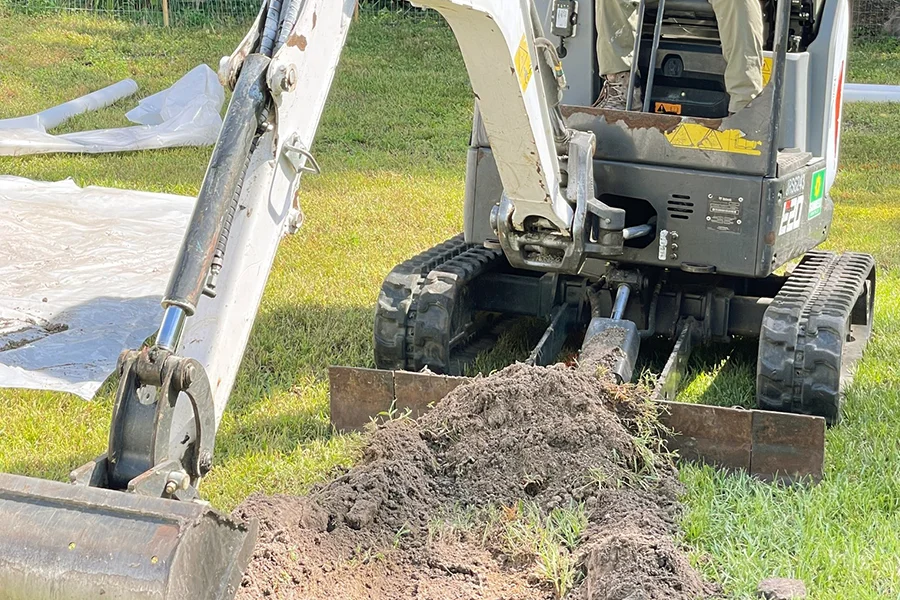
Soil stabilization is a process used to improve the physical properties of soil, enhancing its strength and stability. This technique involves adding materials such as lime, cement, or other chemical additives to the soil to increase its load-bearing capacity and prevent erosion. Soil stabilization is essential for ensuring a solid foundation for construction projects, preventing structural issues caused by unstable soil. This method is widely used in both residential and commercial settings to maintain the integrity of buildings and infrastructure.
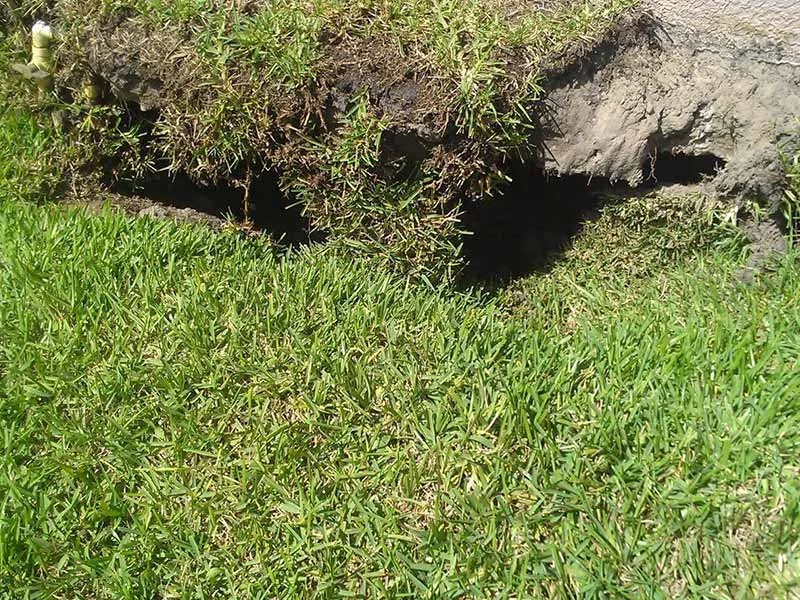
Soil Erosion
Soil erosion is a common problem that can weaken the foundation of buildings and other structures. Erosion occurs when water, wind, or other environmental factors remove the top layer of soil, leading to instability. Soil stabilization techniques such as the addition of lime or cement can help bind the soil particles together, reducing erosion and maintaining a stable foundation.
Expansive Soil
Expansive soils, which swell when wet and shrink when dry, can cause significant damage to foundations. These soil types can lead to cracking and shifting in buildings. Soil stabilization can mitigate these effects by treating the soil with chemical additives that reduce its expansion and contraction, ensuring a more stable foundation.
Poor Load-Bearing Capacity
Soils with poor load-bearing capacity are unable to support the weight of structures built on them, leading to settlement and structural damage. Stabilizing the soil improves its strength and load-bearing capacity, making it suitable for construction. This process involves mixing the soil with stabilizing agents such as lime or cement to enhance its properties.
Uneven Settling
Uneven settling of soil can cause foundations to become uneven, leading to structural issues such as cracks and misalignment. Soil stabilization addresses this problem by ensuring the soil beneath the foundation is uniformly strong and stable. This helps prevent differential settling and maintains the structural integrity of the building.
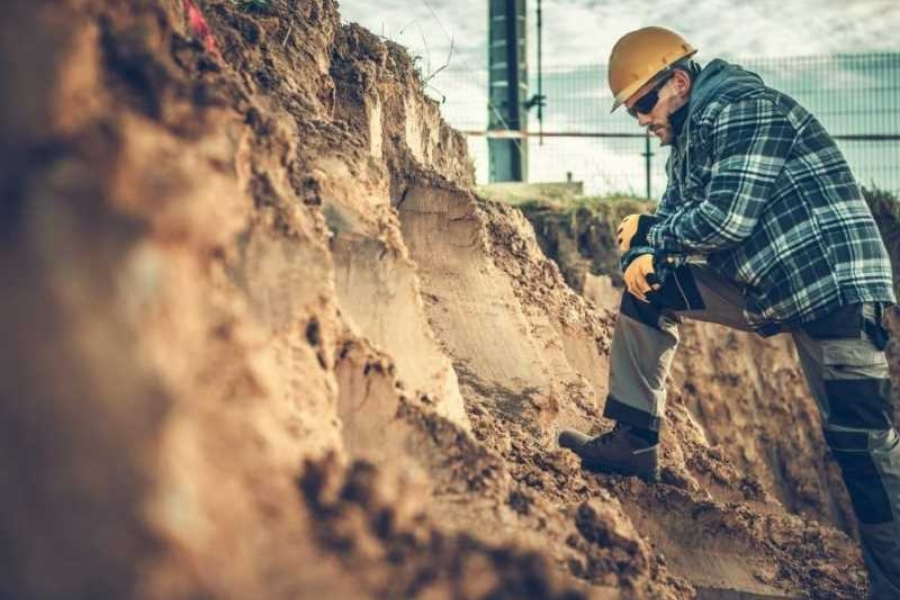
Enhanced Structural Integrity
Soil stabilization significantly enhances the structural integrity of buildings by providing a stable foundation. This reduces the risk of structural damage caused by soil movement, ensuring the longevity and safety of the property. Homeowners can have peace of mind knowing their investment is protected.
Cost-Effective Solution
Addressing soil issues early with stabilization techniques is a cost-effective solution compared to the expenses of repairing extensive structural damage. By stabilizing the soil, homeowners can avoid costly foundation repairs and maintain the value of their property. This proactive approach saves money in the long run.
Improved Property Value
A stable foundation is crucial for maintaining and enhancing the value of a property. Soil stabilization ensures that the building remains structurally sound, making it more attractive to potential buyers. Homeowners looking to sell their property can benefit from higher resale values due to the improved foundation.
Environmental Benefits
Soil stabilization can also provide environmental benefits by reducing soil erosion and preserving the natural landscape. By preventing soil degradation, this method helps maintain the ecological balance and supports sustainable land use practices. Homeowners can contribute to environmental conservation through soil stabilization.
Underpinning
Underpinning involves strengthening and stabilizing the foundation of an existing building. This technique is used when the original foundation is not strong enough or has shifted over time. Underpinning can be a viable alternative to soil stabilization for buildings with existing structural issues.
Polyurethane Foam Injection
Polyurethane foam injection is a method used to lift and stabilize sunken concrete slabs and foundations. This process involves injecting a specialized foam beneath the affected area, which then expands and solidifies, filling voids and stabilizing the soil. It is a quick and minimally invasive alternative to traditional soil stabilization methods.
Geogrid Reinforcement
Geogrid reinforcement involves the use of geosynthetic materials to reinforce soil. These materials are placed within the soil to provide additional strength and stability. Geogrid reinforcement is often used in conjunction with other stabilization techniques to enhance soil properties and support construction projects.
Chemical Injection
Chemical injection involves injecting chemicals into the soil to improve its properties. This method can be used to reduce soil permeability, increase strength, and prevent erosion. Chemical injection is a flexible alternative that can be tailored to address specific soil issues and construction requirements.
If you’re experiencing soil stability issues in Hernando, FL, Hernando Foundation Repair is here to help. With over 35 years of experience, our expert team offers professional soil stabilization services to enhance the stability and strength of your foundation. We understand the unique challenges of maintaining a stable foundation in this region and provide customized solutions to meet your needs. Contact us today at 352-462-3204 for a free consultation and discover how we can help you protect your property.
Frequently Asked Questions About Hernando Foundation Repair
Soil stabilization offers numerous benefits, including enhanced structural integrity, cost-effectiveness, and environmental preservation. It ensures a stable foundation, preventing structural damage and maintaining property value.
The durability of soil stabilization depends on factors such as the method used and soil conditions. Generally, stabilization can last for many years, providing long-term stability. Regular maintenance and inspections can help ensure longevity.
Yes, soil stabilization can be environmentally friendly. Techniques such as chemical stabilization reduce soil erosion and support sustainable land use practices. These methods help preserve the natural landscape and ecological balance.
The cost of soil stabilization varies depending on the extent of the soil issues and the chosen method. It is advisable to obtain a detailed quote from a reputable foundation repair company to understand the specific costs involved.
Yes, soil stabilization is suitable for both residential and commercial properties. The method is effective for stabilizing and strengthening soil in various applications, ensuring the integrity of buildings and infrastructure.